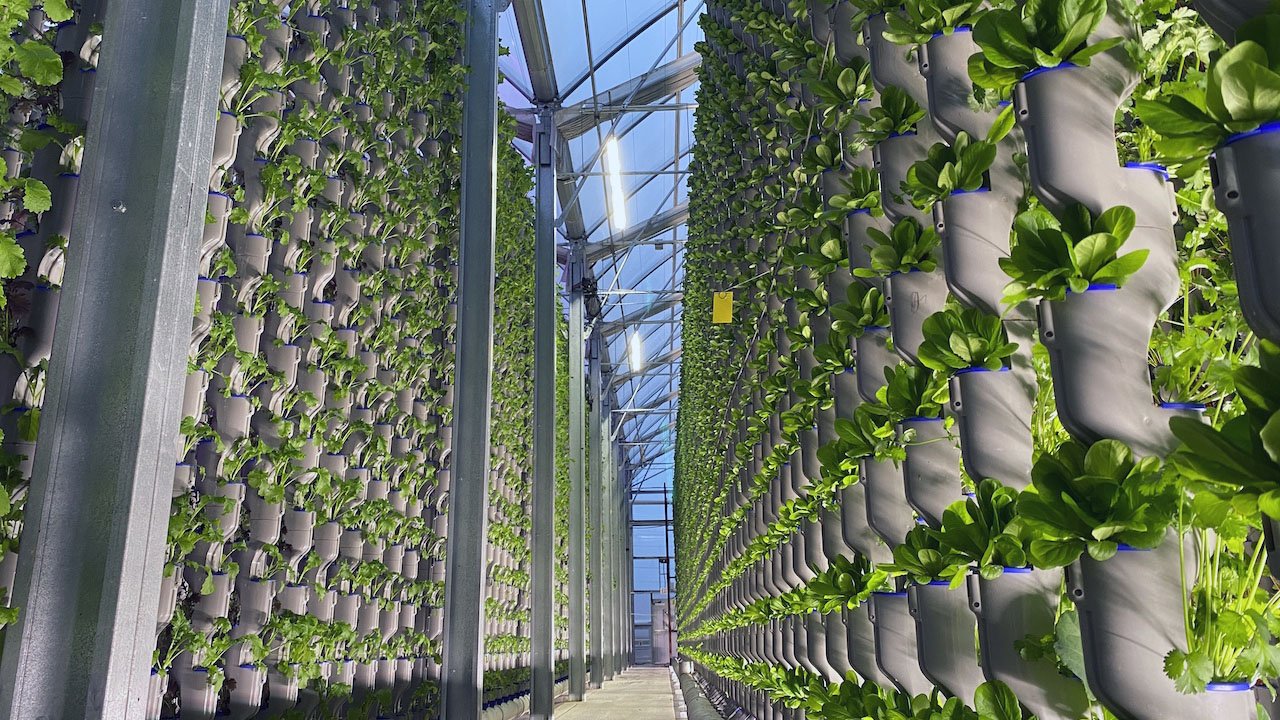
Maintaining the correct pH level is a fundamental aspect of successful hydroponic gardening. In hydroponics, where plants grow without soil, pH balancing is crucial because it directly affects nutrient availability, nutrient uptake, and overall plant health. In this 800-word blog post, we’ll explore the significance of pH in hydroponics, how to measure and adjust pH levels, and the role of pH balancing in ensuring thriving soilless crops. For more information regarding hydroponic plant one can visit our site https://hydroponicglobal.com.au/.
Understanding pH in Hydroponics:
The pH scale measures the acidity or alkalinity of a solution and ranges from 0 (highly acidic) to 14 (highly alkaline), with 7 being neutral. In hydroponics, plants typically thrive in slightly acidic conditions, with a pH range of 5.5 to 6.5. This pH range is considered optimal because it ensures that essential nutrients are available to plants for uptake.
Significance of pH Balancing in Hydroponics:
1. Nutrient Availability: pH levels directly affect the solubility of minerals and nutrients in the nutrient solution. In the optimal pH range, nutrients are most readily available to plant roots. Deviations from this range can lead to nutrient deficiencies or toxicities.
2. Nutrient Uptake: Correct pH levels facilitate efficient nutrient uptake by plant roots. When pH is too high or too low, plants may struggle to absorb essential minerals, leading to stunted growth and poor crop development.
3. Microbial Activity: pH also affects the activity of beneficial microorganisms in the root zone, which play a vital role in nutrient cycling and overall plant health. Balancing pH ensures a favorable environment for these microorganisms.
Measuring pH in Hydroponics:
To maintain proper pH levels in your hydroponic system, you need to regularly measure the pH of the nutrient solution. Here’s how to do it:
1. pH Meter: Invest in a reliable pH meter designed for hydroponic use. These meters provide accurate readings of the nutrient solution’s pH.
2. Calibration: Calibrate your pH meter according to the manufacturer’s instructions before each use to ensure accurate readings.
3. Sampling: Take a sample of the nutrient solution from your reservoir or hydroponic system.
4. Measurement: Immerse the pH meter’s electrode into the sample, and wait for the reading to stabilize. The pH meter will display the pH value.
Adjusting pH in Hydroponics:
If you find that your nutrient solution’s pH is outside the optimal range, you’ll need to adjust it. Here’s how:
1. pH Up and pH Down Solutions: Hydroponic stores offer pH-adjusting solutions labeled as “pH Up” and “pH Down.” These solutions are used to raise or lower pH levels, respectively.
2. Gradual Adjustments: Make small adjustments at a time, usually in increments of 0.1 pH. Stir the solution well and recheck the pH before making further adjustments.
3. Repeat Testing: Continue adjusting and retesting until the nutrient solution’s pH falls within the optimal range.
4. Monitor Regularly: pH levels can fluctuate, so it’s essential to monitor and adjust as needed throughout the growth cycle of your plants.
The Role of pH Balancing in Ensuring Healthy Crops:
1. Nutrient Uptake: Balanced pH levels promote efficient nutrient uptake, allowing plants to access essential minerals for growth and development.
2. Preventing Nutrient Deficiencies: Correct pH levels help prevent nutrient deficiencies, which can lead to symptoms like yellowing leaves, stunted growth, and poor fruit development.
3. Minimizing Nutrient Lockout: Maintaining pH within the optimal range minimizes the risk of nutrient lockout, a condition where nutrient ions become chemically unavailable to plants due to extreme pH levels.
4. Microbial Health: Balanced pH supports a healthy microbial population in the root zone, which aids in nutrient cycling and overall plant health.
pH Balancing Tips for Hydroponic Gardeners:
1. Consistent Monitoring: Regularly test and adjust pH levels to prevent imbalances.
2. Keep Records: Maintain a log of pH measurements and adjustments to track trends and patterns in your hydroponic system.
3. Follow Recommendations: Follow nutrient manufacturer guidelines for pH ranges specific to the nutrient solutions you use.
4. Batch Mixing: When preparing nutrient solutions, aim to batch mix and adjust pH before adding them to the hydroponic system.
5. Use pH-Buffering Substrates: Some growing media, like coconut coir, can help buffer pH, making it more stable over time.
In conclusion, pH balancing in hydroponics is a critical aspect of soilless cultivation. By maintaining the correct pH levels in your nutrient solution, you ensure that your plants receive the essential minerals they need for healthy growth and development. Whether you’re a novice hydroponic gardener or an experienced enthusiast, understanding and mastering pH balancing is key to achieving thriving soilless crops.