
Medical waste disposal is a critical aspect of healthcare facilities worldwide. With the increasing demand for medical services, the volume of waste generated also rises exponentially. The proper management and disposal of this waste are vital to ensure the safety and well-being of healthcare workers, patients, and the environment. This article delves into the various aspects of medical waste disposal, including its significance, challenges, and best practices.
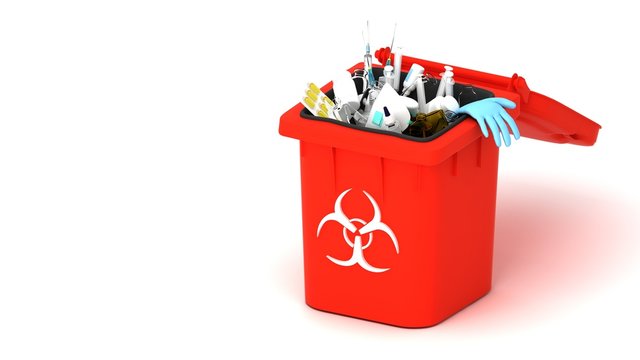
Medical waste encompasses a wide range of materials that are potentially harmful or infectious. This includes discarded needles, syringes, used bandages, contaminated materials, pharmaceuticals, and various other byproducts of healthcare procedures. If not handled properly, medical waste can pose serious health risks by spreading infections or contaminating air, water sources, and soil. Furthermore, improper management can lead to legal issues and hefty penalties. Hence, it is crucial for healthcare organizations to implement effective waste disposal strategies that adhere to local regulations and ensure the overall safety of everyone involved.
Challenges in Medical Waste Disposal
Managing and disposing of medical waste is not without its challenges. One major issue faced by healthcare facilities is the lack of proper infrastructure and resources for handling and processing the volume of waste generated. Many healthcare organizations struggle to maintain efficient waste disposal systems, leading to delays, backlogs, and increased risks of contamination.
Another challenge is the complex regulatory environment surrounding medical waste disposal. Each region and jurisdiction may have different rules and regulations that healthcare organizations must adhere to. Failure to comply with these regulations can result in legal consequences and hefty penalties. For example, in Hazardous waste disposal Dallas, healthcare facilities must follow specific guidelines set forth by local authorities to ensure the safe and proper disposal of hazardous medical waste.
Best Practices for Medical Waste Disposal
To address the challenges mentioned above, healthcare organizations should implement best practices for medical waste disposal. This begins with proper segregation and identification of different types of waste at the source. By segregating waste into different categories such as sharps, pharmaceuticals, and infectious materials, the risk of cross-contamination can be minimized.
Furthermore, healthcare facilities should establish clear protocols for the collection, storage, transportation, treatment, and final disposal of medical waste. This includes using appropriate containers, labeling them correctly, and ensuring they are stored in designated areas that meet safety standards.
Partnering with professional waste management companies specializing in Hazardous waste disposal Dallas is also crucial. These companies have expertise in handling and disposing of medical waste safely and in compliance with local regulations. They can provide necessary services such as collection, transportation, treatment, and disposal, ensuring that healthcare facilities can focus on providing quality care without compromising on waste management.
In conclusion, effective medical waste disposal is essential for the overall safety and well-being of healthcare workers, patients, and the environment. The increasing demand for medical services has led to a rise in the volume of waste generated, creating challenges for healthcare facilities. Lack of proper infrastructure and resources, as well as complex regulatory environments, make it necessary for healthcare organizations to implement best practices.
Proper segregation and identification of waste at the source, along with clear protocols for collection, storage, transportation, treatment, and final disposal, are crucial steps in ensuring safe waste management. Partnering with professional waste management companies specializing in medical waste disposal is also recommended. These companies have the expertise to handle and dispose of medical waste in compliance with local regulations, allowing healthcare facilities to focus on providing quality care. By implementing effective practices and adhering to regulations, healthcare organizations can ensure the protection of all stakeholders involved while mitigating risks associated with medical waste disposal.