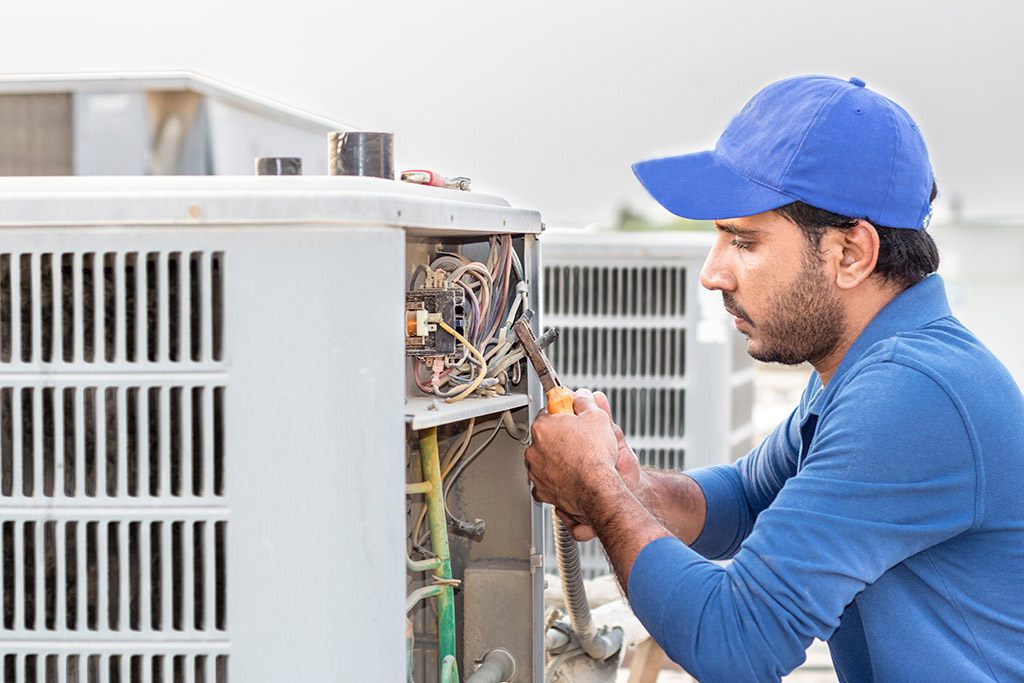
Regular maintenance of equipment is essential to ensure its optimal functioning and longevity. Scheduled maintenance allows businesses to prevent costly breakdowns and downtime, ultimately saving time and money in the long run.
By establishing a maintenance schedule for equipment, businesses can stay organized and ensure that all necessary tasks are completed in a timely manner. This proactive approach to maintenance helps to identify potential issues before they escalate into major problems, allowing for prompt repairs and preventing disruptions to operations.
Implementing a Maintenance Schedule
One of the key benefits of having a maintenance schedule for restaurant equipment is the ability to stay organized and on top of necessary tasks. By outlining a routine maintenance plan, businesses can ensure that each piece of equipment receives the attention it needs to function properly. This proactive approach can help prevent unexpected breakdowns and costly repairs, ultimately saving time and money in the long run. Additionally, regular maintenance can prolong the lifespan of equipment, allowing restaurants to get the most out of their investment.
Another advantage of Restaurant Equipment Scheduled Maintenance is the ability to identify and address potential issues before they escalate into major problems. By conducting regular inspections and servicing, businesses can catch small issues early on and take necessary corrective actions. This not only helps to prevent disruptions to operations but also ensures that equipment is operating at its peak efficiency. Overall, implementing a maintenance schedule for restaurant equipment is crucial for maximizing performance and minimizing downtime.
In conclusion, implementing a maintenance schedule for restaurant equipment is crucial for ensuring optimal performance and longevity. By staying organized and proactive with scheduled maintenance tasks, businesses can prevent costly breakdowns, minimize downtime, and ultimately save time and money in the long run. Regular inspections and servicing allow for early detection and resolution of potential issues, helping to keep operations running smoothly and efficiently. Overall, prioritizing equipment scheduled maintenance is essential for maximizing equipment performance and minimizing disruptions to daily operations.